
Never Buy an Old Home Before Checking These Details: Essential Tips for Buyers
Are you drawn to the charm and character of older homes, like those classic Craftsman or Art Deco styles that stand out from modern cookie-cutter designs? While buying an old home can be an exciting adventure, it's crucial to be aware of potential pitfalls that could turn your dream property into a costly headache. In this comprehensive guide, we'll explore nine common issues with older homes and provide practical tips on how to spot, assess, and address them. Whether you're a first-time buyer or an experienced homeowner, these insights will help you make an informed decision when purchasing a historic or vintage property.
Watch the full video below for more details:
1. Electrical System: Outdated Wiring and Panels
One of the most critical areas to inspect in an older home is the electrical system. Many vintage properties still have knob and tube wiring, which was common in homes built before the 1950s. While it can last for decades if undisturbed, problems arise from splicing, insulation coverage, or overloading with modern appliances like EV chargers. Other red flags include early breaker panels (such as Bulldog or Federal Pacific brands), undersized service (e.g., 60 amps instead of the standard 200 amps today), and amateur DIY repairs that create loose connections or fire hazards.
Tips for Buyers:
Always include an electrical inspection in your home purchase process to identify risks.
Budget for upgrades—costs can range from a few thousand dollars for minor fixes to up to $40,000 for a full rewiring.
Prioritize high-risk areas and consider phased repairs to spread out expenses.
Avoid tampering with knob and tube wiring yourself; professional handling is essential to prevent fires.

2. Sewer Lines: Hidden Damage and Root Intrusion
Older sewer systems often use materials like Orangeberg, clay, cast iron, or concrete, which can crack, corrode, or suffer from root intrusion over time. These issues might not be visible but can lead to backups, flooding, and expensive repairs. Routine maintenance, like annual root removal, is often necessary in historic homes.
Tips for Buyers:
Invest in a sewer scope inspection (around $200) to reveal hidden problems before closing.
Negotiate repairs or price reductions with the seller if damage is discovered.
Explore trenchless repair options, which are becoming more affordable and less invasive.
Factor in ongoing maintenance costs when budgeting for your old home purchase.

3. Hazardous Materials: Lead and Asbestos Risks
Homes built before the 1980s may contain hazardous materials like lead in pipes or paint, and asbestos in insulation, popcorn ceilings, or other areas. These pose health risks, especially if disturbed during renovations, and are particularly concerning for families with children or pets.
Tips for Buyers:
Use a professional home inspector to test for lead and asbestos.
Prioritize immediate removal of lead pipes for drinking water—there's no safe level of lead exposure.
Consider abatement for asbestos, which can be done incrementally to manage costs.
Purchase self-testing kits from hardware stores for preliminary checks during DIY projects.

4. HVAC Systems: Inefficient Heating and Cooling
Older homes might rely on outdated HVAC systems, such as coal or oil furnaces, which are inefficient and hard to service due to scarce parts. Upgrading often requires new gas lines or electrical panel enhancements, adding to the expense.
Tips for Buyers:
Have the inspector review the system's age, fuel type, service history, and expected lifespan.
Plan for potential upgrades, especially if switching from oil to more efficient options like natural gas.
Ensure the home's electrical infrastructure can support modern HVAC without major overhauls.

5. Roofing: Multiple Layers and Structural Issues
Roofs on older homes may have multiple layers of shingles over original cedar shakes, leading to excess weight, bowing rafters, or improper decking like skip sheathing. Re-roofing can uncover hidden problems, inflating costs.
Tips for Buyers:
Inspect for layered roofing, old decking, or structural damage during the home inspection.
Get multiple quotes for re-roofing, as surprises like rafter replacements can increase expenses.
Address any issues early to prevent leaks or further deterioration.

Mastering Roof Inspections: Asphalt Composition Shingles, Part 28
6. Insulation: Gaps and Potential Hazards
Many historic homes lack proper insulation, resulting in high utility bills. Some older insulation, like vermiculite, may contain asbestos, requiring careful handling.
Tips for Buyers:
Seal air gaps and retrofit insulation to boost energy efficiency.
Use inspectors with thermal imaging to detect missing insulation or hazards.
If asbestos is present, opt for professional abatement before adding new insulation.
Avoid covering knob and tube wiring with insulation to prevent fire risks.

7. Plumbing and Piping: Corrosion and Lead Concerns
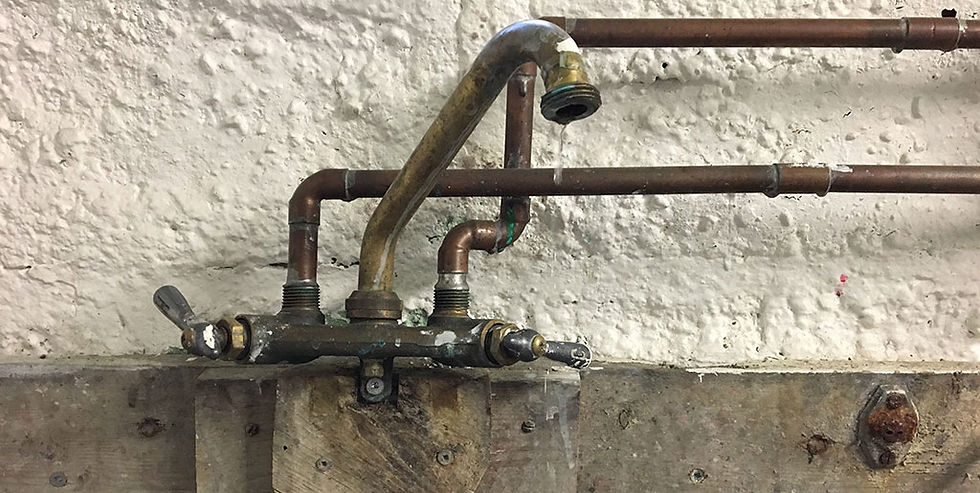
Plumbing in vintage homes frequently includes lead pipes or corroded cast iron drains, leading to health risks and functional issues. Plumbers are among the most expensive trades, so repairs can add up quickly.
Tips for Buyers:
Install a reverse osmosis system for safe drinking water, even if full repiping isn't immediate.
Test water quality yourself and inspect visible pipes for corrosion.
Budget for potential full-system replacements in your old home buying plan.
8. Foundations: Cracks and Maintenance Needs
Stone or concrete foundations in older homes are durable but may develop cracks or need sealing. While most cracks are minor, severe issues could indicate structural problems.
Tips for Buyers:
Hire a mason to seal stone foundation cracks and prevent drafts.
Consult a structural engineer for significant concrete cracks.
Avoid homes where foundation replacement is needed, as it's often cost-prohibitive.

9. Insurance: Challenges for Vintage Properties
Insuring an older home can be tricky, as some companies may drop coverage due to age or perceived risks. However, alternatives are available with research.
Tips for Buyers:
Shop around for insurers specializing in historic homes before finalizing your purchase.
Be prepared for higher premiums or specific policy requirements.
Factor insurance availability into your decision when buying an old home.

Conclusion: Embrace the Charm with Eyes Wide Open
Buying an old home offers unparalleled character and history, but preparation is key to avoiding surprises. By prioritizing thorough inspections, budgeting for repairs, and understanding these common issues, you can confidently invest in a vintage property. Remember, many older homes have already had some or all of these problems addressed by previous owners—the unknown is often the scariest part.
If you're in the Spokane or Coeur d'Alene area, consider reaching out to Phil Wells for expert real estate guidance. For more tips on buying historic homes, follow this blog and/or check out related posts.
*Keywords: buying an old home, common issues with older homes, historic home buying tips, older home problems, vintage home inspection, Spokane real estate*


Comments